‘Frugal February’ tips to avoid student loan repayment trouble as collections resume
NASHVILLE, Tenn. (WSMV) - Student loan payments have resumed, and for some borrowers, missing them could soon mean money coming straight out of a paycheck.
If your budget suddenly feels tighter this year, you are not alone. After years of pauses, federal student loan repayment has resumed. For borrowers who are in default, collections could be next.
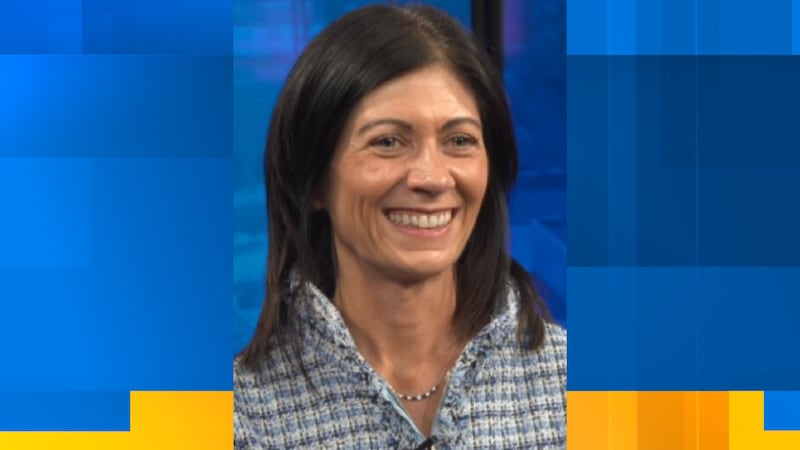
Financial expert Jack Wallace said this month can be a “reset button” for Middle Tennesseans trying to get ahead of the problem before it grows.
“Everybody’s back in repayment. We have over 12 and a half million people that are either in default or in delinquency, so it’s time to, in Frugal February, take a timeout,” Wallace said.

Wallace says staying on track does not have to mean cutting out everything you enjoy. He recommends starting with a simple structure like the 50-30-20 rule, about 50% of your income for needs, 30% for wants and 20% toward savings and debt.
But the biggest mistake he is seeing right now is what people do when money gets tight.
“They’re still using their credit cards instead of using cash. The credit card debt is about 1.3 trillion,” Wallace said.
He warns credit card interest rates can hover around 20%, meaning balances can grow quickly and make it harder to keep up with other bills like student loans. If you are already struggling, he says it is important not to spend money you do not have.
If you have a federal student loan and are falling behind or already in default, there are steps you can take now. Borrowers can contact the U.S. Department of Education’s Default Resolution Group or go to studentaid.gov to explore options such as income-driven repayment plans, lower monthly payment options or consolidating loans into one monthly bill.
“The million people in Tennessee that have student loan debt owe $33 billion just in Tennessee. The average debt amount is about $37,000 to $38,000, so it’s not a small amount that people are having to repay,” Wallace said.
His message is that making small changes now can help prevent bigger consequences later, including wage garnishment. The key, he says, is starting early, not starting perfectly.
Copyright 2025 WSMV. All rights reserved.