‘We gotta ban these dadgum things’ | Rep. Burchett introduces bill to ban federal funding for Flock cameras
Burchett said he has spoken with Knox County Mayor Glenn Jacobs about Flock cameras, saying they need to be banned.
What This Story Is About
- U.S. Rep. Tim Burchett has introduced a bill to prohibit federal agencies from purchasing or accessing automated surveillance systems that identify, track or record people.
Why It Matters
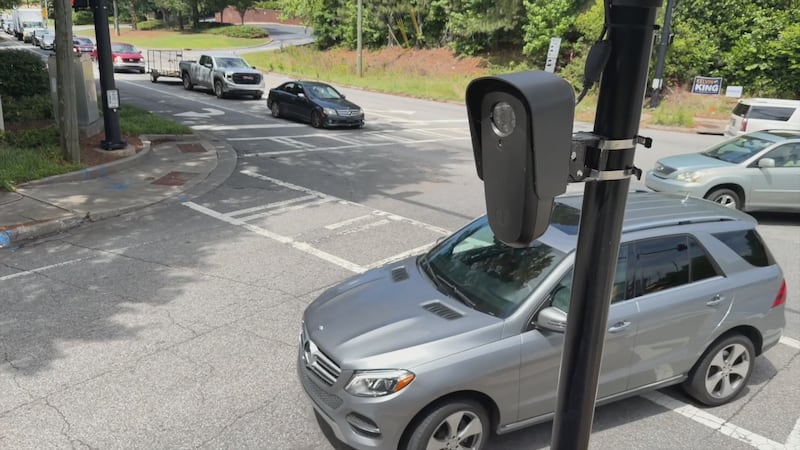
- Flock cameras, which surveil and read license plates in public spaces, have sparked concerns about privacy from both private citizens and elected officials.
What Happens Next
- The bill was referred by the House of Representatives to the House Committee on Oversight and Government Reform.
For Context
- On Friday, the Knox County Commission canceled a meeting to discuss the Knox County Sheriff’s Office’s proposed rollout of more than 200 Flock cameras.
Catch Up
- A Knox County commissioner said he was a bit blindsided by the planned rollout. He spoke to us Tuesday.
- Officers outside of East Tennessee have been accused in the past of misusing Flock cameras, outlined in an investigation by our sister station in Atlanta.
KNOXVILLE, Tenn. (WVLT) - U.S. Rep. Tim Burchett (R-TN) has introduced a bill to prohibit federal agencies from purchasing or accessing automated surveillance systems that identify, track or record people.
According to the bill, the Protection Against Mass Surveillance Act aims to stop federal funding for any surveillance system that tracks people through any of the following:
- Automated license plate recognition system, including a Flock Safety camera
- Facial recognition technology
- Technology that uses biometric identification, including fingerprint, iris, retinal, voice, gait, or other personally identifiable biological characteristics
- Any technology that captures, analyzes, or retains a person’s image, likeness, or other personally identifiable information for the purpose of conducting persistent or mass surveillance
The bill also lists that any federal agency that obtains data should delete it no later than 30 days after it is obtained and may not be admitted into evidence in any court or administrative proceeding.

Burchett took to X, formerly known as Twitter, shortly after filing the bill to say Flock cameras need to be banned. In the video, he started by saying Americans should never have to choose between safety and liberty.
“These things violate our Constitutional rights. I’ve always been for protecting Constitutional freedoms. I think it’s one of the most important responsibilities we have as congressmen,” Burchett said. “Americans should never choose between safety and liberty. We’ve got to keep our country safe.”
Burchett continued by saying there have already been incidents involving police officers around the country misusing Flock cameras.
“I’ve consistently opposed these warrantless surveillances and policies that weaken our privacy rights like crazy,” he said. “We’ve already seen incidents where cops have used these things to pursue ladies for dating purposes ... It’s the reality of where we are as a country.”
Burchett said he has spoken with Knox County Mayor Glenn Jacobs about the cameras, saying they need to be banned.
“I’ve been speaking with Mayor Jacobs about this, working with coordination with him on this thing, so hopefully, we’ll get some movement out of this,” Burchett said. “We gotta ban these dadgum things.”
Earlier this week, Jacobs highlighted concerns about the cameras, saying he believes they are a threat to our privacy and civil liberties.
Knox County Commission had scheduled a meeting to discuss the Knox County Sheriff’s Office’s rollout of more than 200 Flock cameras, but that meeting was canceled on Friday.
Flock cameras are on the rise in the U.S. The cameras are installed in public spaces and often have the ability to read license plate numbers and store images, though the sheriff’s office said Thursday any information gathered is only stored for 30 days.
The full bill can be found below:
Copyright 2026 WVLT. All rights reserved.