Wet ground fueling repeated flooding risk across East Tennessee
Why saturated soil is keeping flood risk elevated this summer
What This Story Is About
- Why East Tennessee has had common flooding events this summer so far.
Why It Matters
- As we finish the season, heavy rainfall and flooding could impact you.
For Context
- Flash flooding occurs when heavy rainfall exceeds the amount of water that the ground can absorb in a short amount of time.
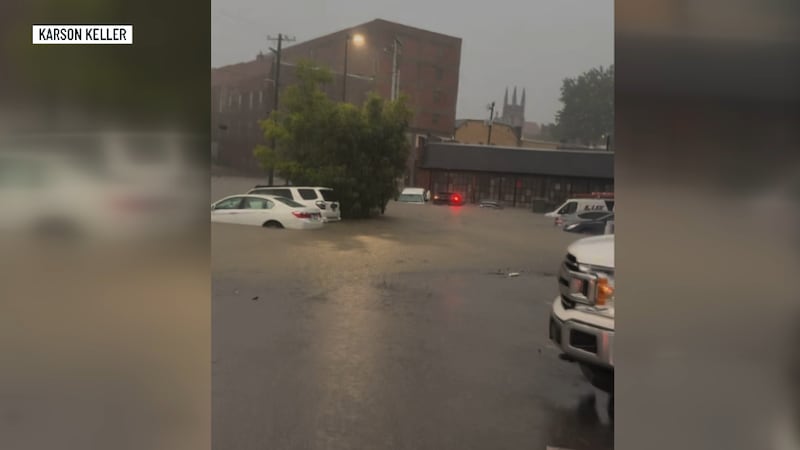
EAST TENNESSEE — Months of repeated rainfall have left the ground across East Tennessee saturated, and meteorologists say that is a key driver behind the region’s frequent flooding this summer.
Although August is typically one of the drier months of the year, the area has already surpassed more than half of July’s normal rainfall total, and July is historically one of the wettest months on record for the region.
What ‘wet antecedent soil conditions’ means

The repeated flooding comes down to what meteorologists call wet antecedent soil conditions. This term describes ground that is already heavily saturated before the next storm arrives.
When soil reaches saturation, it can no longer absorb significant amounts of additional water. As a result, rainfall that would otherwise soak into the ground instead becomes runoff, which can quickly overwhelm creeks, streams, roads, and drainage systems.
Flood risk expected to continue
Until a substantial break from rainfall occurs, the risk for localized flooding is expected to persist across the region.
Copyright 2026 WVLT. All rights reserved.